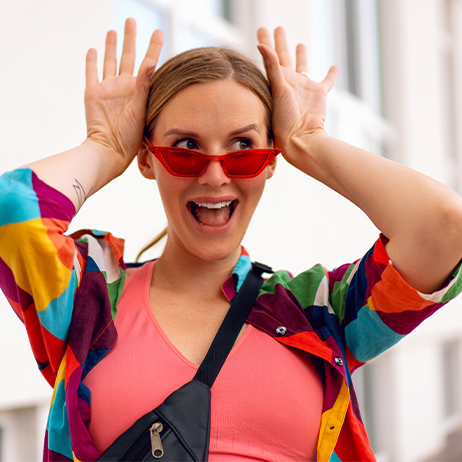
Dressing As A Form Of Self Expression
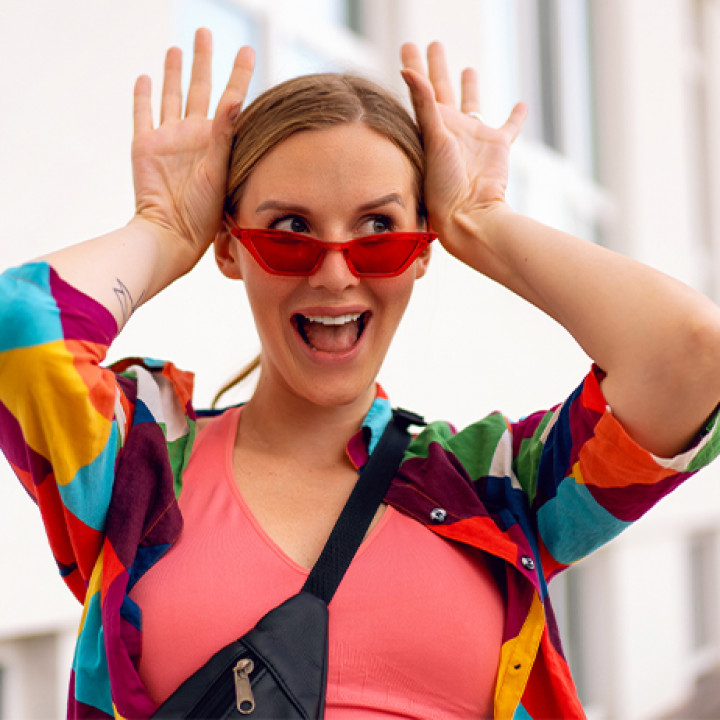
Style is more than what you wear; it reflects how you see yourself and how you choose to be seen. Clothing becomes a language that speaks without words, shaping first impressions and lasting perceptions. Every fabric, cut, and detail carries intention, even when it feels effortless. Personal style is not about following trends blindly but about selecting what aligns with your inner sense of identity. When you understand your preferences, dressing becomes a natural extension of who you are rather than a daily decision filled with doubt.
Clothing As A Silent Voice
Outfits communicate emotions, confidence, and individuality before a conversation even begins. A structured look can project authority, while relaxed forms can express ease and comfort. Colors also influence perception, with softer tones suggesting calmness and deeper shades adding intensity. By thoughtfully choosing what you wear, you shape how others interpret your presence. This silent communication allows you to express moods, ideas, and perspectives without needing explanation, making clothing a powerful personal tool.
Breaking Away From Trends
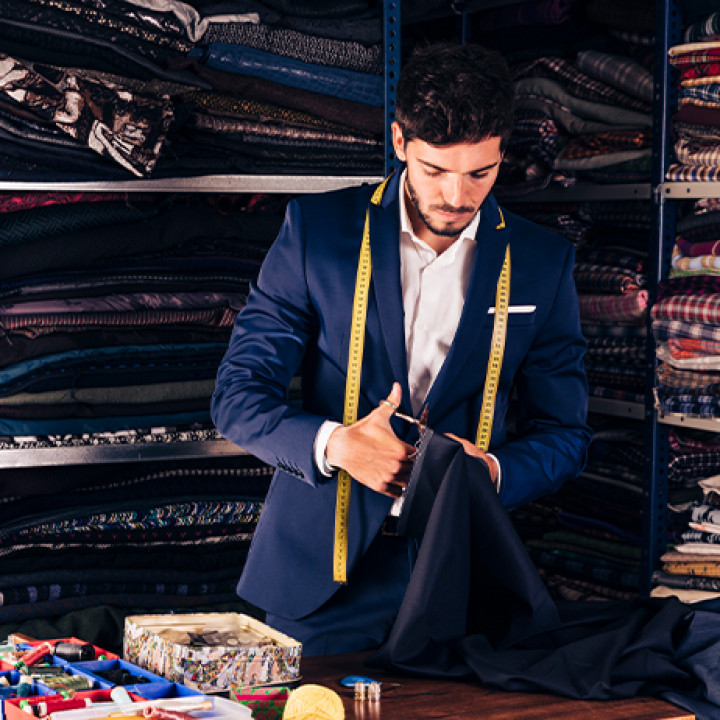
Trends often create pressure to conform, but true style emerges when you move beyond imitation. While trends can inspire, they should never define your wardrobe. The most compelling looks are those that feel authentic rather than forced. When you rely less on what is currently popular and more on what resonates with you, your style becomes distinctive. This shift allows you to build a wardrobe that feels consistent and meaningful, rather than temporary and repetitive.
Building A Personal Aesthetic
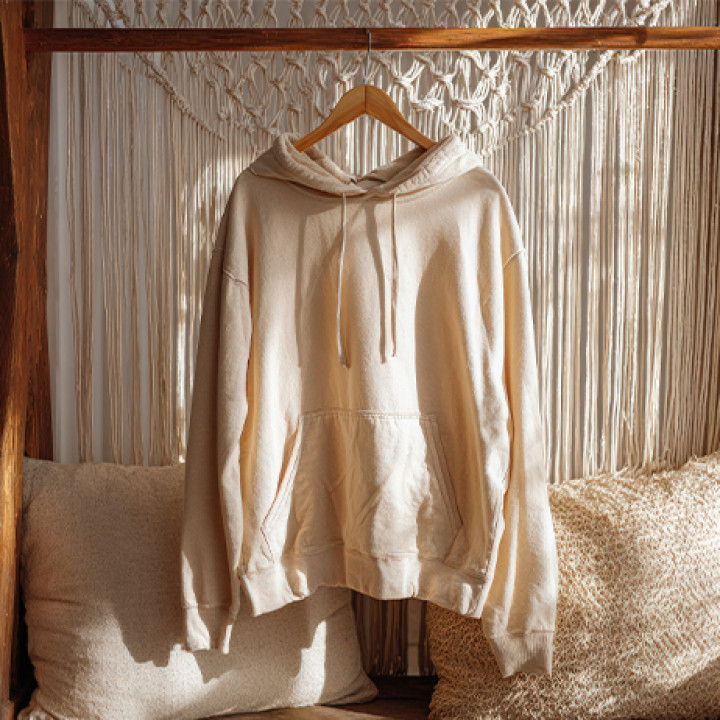
Creating a recognizable style begins with understanding what feels right. Pay attention to the shapes, textures, and colors you are naturally drawn to. Over time, these choices form a cohesive aesthetic that reflects your personality. Whether your preference leans toward minimal structure or expressive layering, consistency strengthens your identity. A well-defined aesthetic does not limit creativity; instead, it provides a foundation that makes experimenting easier and more intentional.
Confidence Through Authenticity
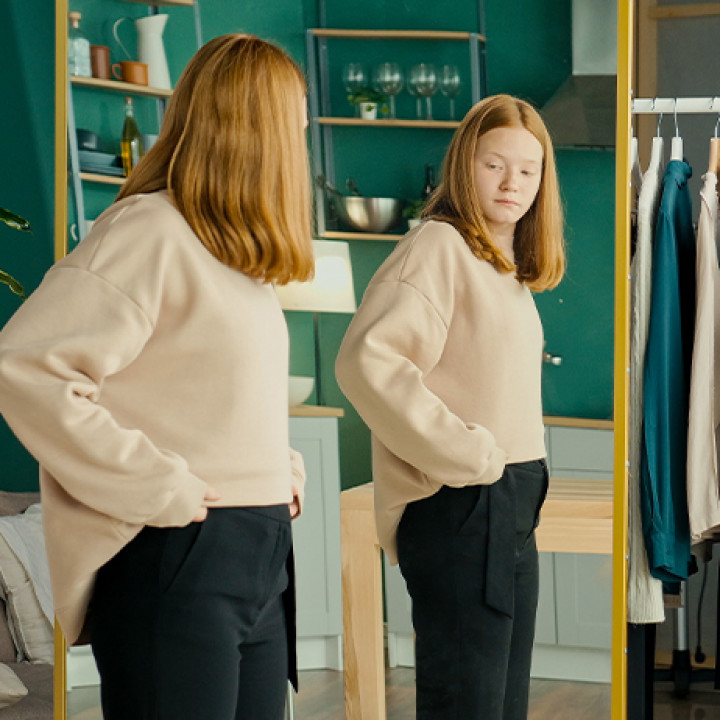
When your clothing aligns with your identity, confidence follows naturally. You no longer feel the need to adjust yourself to fit expectations because your appearance already represents who you are. This authenticity creates a sense of ease that others can notice. Confidence built through personal style is not about standing out for attention but about feeling comfortable in your own choices. It is this quiet assurance that makes a lasting impact.
Evolving With Time
Style is not fixed; it evolves as you grow and change. Life experiences, shifting priorities, and new inspirations influence how you present yourself. Allowing your wardrobe to adapt ensures that your expression remains relevant to your current mindset. Instead of holding onto past versions of yourself, embrace change as part of your style journey. This evolution keeps your expression fresh while maintaining a connection to your core identity.
Conclusion
Dressing as a form of self expression transforms clothing into something meaningful and personal. It moves beyond appearance and becomes a reflection of thought, feeling, and individuality. By understanding your preferences, embracing authenticity, and allowing your style to evolve, you create a presence that feels genuine and effortless. In this way, every outfit becomes an opportunity to express who you are without saying a single word.